


![If You Want to be Strong, Learn to Fight Alone [Follow These 4 Steps]](https://www.ceomindsetmotivation.com/wp-content/uploads/2025/03/If-you-want-to-be-strong-learn-to-fight-alone-150x150.webp)


![Hustle Until Your Haters Ask You for a Job [5 Practical Steps]](https://www.ceomindsetmotivation.com/wp-content/uploads/2025/09/hustle-until-your-haters-ask-you-for-a-job-440x264.webp)








A Powerful Lesson from the Old Big Tree: Why Lasting Success Is Built in Silence
Below is a story that will inspire you to keep pushing forward. In the story, a father taught his curious son one big lesson from the old big tree, and I am sure you will love this story from the core of your heart.
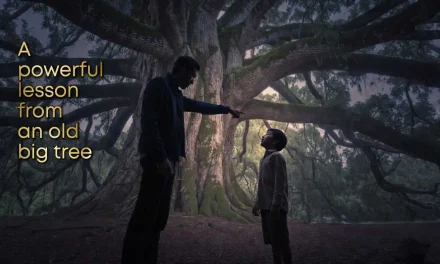
A father and his young son were walking down a quiet road when the boy stopped, drawn to a massive old tree standing alone in an open field. Scarred by time yet unshaken by storms, it stood stronger than all the others around it. In that silent moment was a lesson most people overlook—a truth about life, growth, and why lasting success is built in silence, far away from applause, shortcuts, and overnight results.
Related Video: A Big Lesson from an Old Big Tree (Apply Today)
Then the boy suddenly stopped.
Right ahead of them, standing alone in an open field, was a massive old tree. Its trunk was thick and weathered. Its branches stretched wide, casting a long shadow across the land. It wasn’t surrounded by other trees. It didn’t compete for attention. It simply stood there—firm, unmoved, unshaken.
The boy stared at it for a long moment before turning to his father.
“Dad,” he asked, curiosity filling his voice, “why is that tree so big and strong while the others around it are smaller?”
The father followed his son’s gaze and smiled—not because the answer was simple, but because the question mattered more than the boy realized.
“Because that tree didn’t grow in easy times,” he said.
That moment held a lesson far bigger than the tree itself. It was a lesson about life, success, failure, patience, and the power of building strength quietly.
Related: Hustle Until Your Haters Ask You for a Job [5 Practical Steps]
Why True Strength Rarely Looks Perfect
The son walked closer, examining the tree more carefully. The bark was rough and cracked. There were visible marks from years of storms, scars from lightning strikes, and places where branches had once broken off.
“But it doesn’t look perfect,” the boy said.
“Exactly,” the father replied. “Every crack is a lesson. Every scar is a storm it survived.”
In today’s world, we’ve been conditioned to admire perfection. Perfect images. Perfect timelines. Perfect success stories. Social media highlights only the smooth bark, never the scars beneath.
But real strength doesn’t come polished.
Strong people don’t look flawless.
Strong leaders aren’t untouched by failure.
Strong businesses aren’t built without losses.
Every meaningful life carries cracks—moments of struggle, disappointment, rejection, and pain. These aren’t signs of weakness. They’re evidence of endurance.
Smooth bark might look appealing, but it tells you nothing about what the tree can survive.
The Dangerous Obsession With Fast Growth
After a moment of silence, the boy asked another question.
“Did it grow fast?”
The father shook his head.
“No,” he said. “While others rushed to grow taller, this tree grew deeper. It built strong roots when no one was watching.”
That single sentence challenges one of the most dangerous beliefs of the modern world: that faster is better.
Everyone wants instant progress:
- Fast money
- Fast results
- Fast recognition
- Fast success
But fast growth without strong roots is fragile.
When success is rushed, preparation is skipped. When preparation is skipped, pressure becomes dangerous. And when pressure arrives—as it always does—everything collapses.
Nature never rushes growth. And yet, nature produces the strongest systems known to exist.
What “Growing Deeper” Really Means
Growing deeper doesn’t look impressive at first.
It looks like:
- Working when no one applauds
- Studying when no one notices
- Practicing patience when there’s no reward yet
- Improving skills quietly
- Saying no to shortcuts
Roots grow underground. No one sees them. No one praises them. But everything above ground depends on them.
Your mindset is a root.
Your discipline is a root.
Your habits are roots.
Your character is a root.
If they’re weak, no amount of visible success will save you when life tests you.
Related: One Day You Will Get Rich And No Devil Can Stop It
Why Storms Are Necessary
“So that’s why the wind can’t knock it down?” the son asked.
“Yes,” the father said softly. “Life will bring storms, pressure, and hard seasons. If you focus only on growing fast, you’ll fall. But if you focus on growing strong, you’ll stand.”
Storms are not accidents.
They are part of the design.
Every storm forces roots to dig deeper.
Every hardship strengthens structure.
Every challenge builds resilience.
People often wish for an easy life, not realizing that ease produces fragility. Comfort never builds strength—resistance does.
Storms don’t come to destroy you.
They come to reveal what you’ve built.
Pressure Doesn’t Create Weakness—It Exposes It
Pressure doesn’t change people. It exposes them.
Under pressure:
- Weak habits collapse
- Undisciplined minds panic
- Shallow foundations crack
But strong roots respond differently.
Pressure sharpens focus.
Pressure strengthens resolve.
Pressure builds confidence.
Those who endure pressure don’t become strong during the storm—they already were. The storm simply proved it.
The Long Silence Before Breakthrough
The boy nodded. He didn’t fully understand—but he felt it.
That’s how real growth works.
It’s quiet.
It’s slow.
It’s invisible at first.
This silence is where most people quit.
They mistake silence for failure.
They confuse waiting with stagnation.
They abandon the process because results don’t arrive on their desired timeline.
But underground, roots are forming.
Silence is not the absence of progress.
It’s evidence that deep work is happening.
Comparison Is the Enemy of Rooted Growth
Take any field and observe it closely. No two trees grow at the same pace. Some rise quickly and fall early. Others grow slowly and stand for centuries.
Yet humans constantly compare themselves to others.
“Why are they ahead of me?”
“Why is my progress slower?”
“Why hasn’t my breakthrough happened yet?”
Because you are not growing the same roots.
Some people are being prepared for heavy storms. Some are being shaped for long-term impact. Their timeline is slower because their foundation must be stronger.
Comparison kills patience.
Patience kills panic.
Panic kills progress.
Related: Silence is Power: 4 Powerful Benefits of Silence
Success That Comes Too Fast Often Leaves Too Fast
History is full of examples of people who rose quickly—and disappeared just as fast.
Sudden fame. Sudden money. Sudden attention.
But success that arrives before emotional maturity, discipline, and purpose becomes a burden instead of a blessing.
Fast success exposes:
- Poor decision-making
- Weak systems
- Ego-driven behavior
- Lack of sustainability
Strong foundations protect success.
Weak foundations sabotage it.
Why Quiet Progress Beats Loud Announcements
Some people announce every move.
Others build quietly.
Some chase attention.
Others chase mastery.
The loudest builders are rarely the strongest.
The strongest builders are often invisible at first.
The tree didn’t announce its growth.
It focused on survival.
Let results speak.
Let consistency speak.
Let time speak.
This is the CEO Mindset
Being the CEO of your life requires understanding long-term thinking.
CEOs:
- Don’t panic at short-term losses
- Invest in infrastructure before expansion
- Prepare for storms before they arrive
- Focus on systems, not shortcuts
They know results are lagging indicators of preparation.
If you want long-term success, you must think like a builder—not a gambler.
Related: Dreamer Always Win
Your Scars Are Proof You’re Becoming Strong
The old tree wasn’t flawless.
It was scarred.
Weathered.
Cracked.
And that’s why it stood tall.
Your failures aren’t weaknesses.
Your past struggles aren’t liabilities.
They are proof of growth.
Every scar says, “I survived.”
Those who never struggle never develop depth.
Those who avoid storms never build strength.
Stop Rushing What’s Meant to Last
Fast growth feeds ego.
Slow growth builds legacy.
You don’t need to impress people today.
You need to protect your future.
You don’t need overnight success.
You need success that still stands when everything shakes.
One Day, You’ll Be the Tree
One day, someone will look at your life, your mindset, your stability, your success—and ask:
“How did they become so strong?”
They won’t see:
- The lonely nights
- The slow seasons
- The unseen discipline
- The patience it required
They’ll only see the strength.
And that’s okay.
Takeaway: Lesson from the Old Big Tree
Strong foundations matter more than quick results.
Growth that lasts is built quietly, deeply, and patiently.
Don’t rush your success.
Build your roots.
The storms will come—but they won’t take you down.
Time will take care of the rest.
Related Video: The Power of Silence | Why Silence is Power
1. Why is building a strong foundation more important than fast success?
Building a strong foundation ensures long-term stability, resilience, and sustainable growth. Fast success often lacks preparation, making it fragile under pressure. Strong foundations—such as skills, discipline, and mindset—allow individuals to withstand challenges, adapt to change, and maintain success over time. Just like a tree with deep roots resists storms, people with solid foundations stand firm during adversity.
2. What does “building your roots” mean in personal and professional growth?
“Building your roots” means developing internal strength before seeking external results. This includes learning consistently, improving emotional intelligence, strengthening discipline, and gaining real experience. In professional growth, it refers to mastering fundamentals, understanding systems, and preparing for long-term success rather than chasing quick wins.
3. How does patience contribute to long-term success?
Patience allows time for skills, mindset, and capabilities to mature. Long-term success requires trial, failure, and refinement—processes that cannot be rushed. Patience reduces impulsive decisions, encourages strategic thinking, and strengthens resilience. Those who remain consistent over time outperform those who rush results but quit early.
4. Why do people who achieve success quickly often fail later?
Many people who achieve fast success struggle later because they lack experience, systems, and emotional readiness. Without strong foundations, pressure exposes weaknesses. Quick success can hide poor habits, limited skills, and fragile mindsets. When challenges arise, these unseen flaws cause breakdowns, setbacks, or burnout.
5. How can someone grow strong instead of growing fast?
To grow strong instead of fast, focus on learning before earning, consistency over intensity, and discipline over motivation. Set long-term goals, build daily habits, and accept slow progress as part of the process. Strength comes from persistence, failure, and continuous improvement—not immediate results.






![Hustle Until Your Haters Ask You for a Job [5 Practical Steps]](https://www.ceomindsetmotivation.com/wp-content/uploads/2025/09/hustle-until-your-haters-ask-you-for-a-job-150x150.webp)